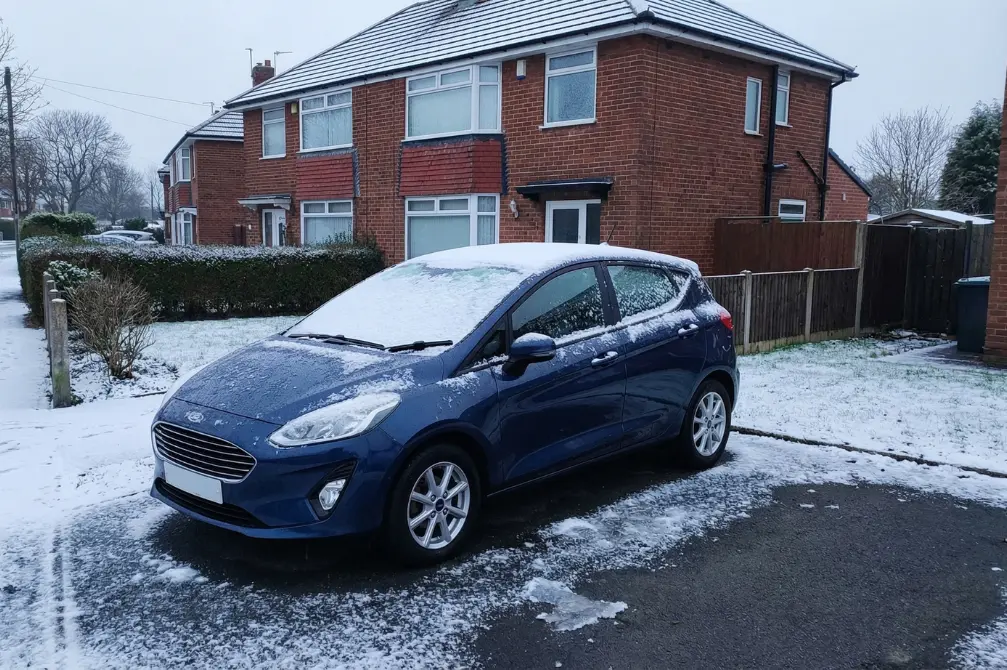
We all know the drill when snow hits: scraping windscreens at 7am, navigating icy car parks, waiting for the heater to work its magic. But here's something that catches most drivers off guard - snow and ice can do a proper number on your paintwork, often in ways you won't notice until weeks later.
The culprits? Gritty snow dragged across panels, overzealous ice scraping, and that lovely grit salt the council spreads everywhere. Winter is tougher on paint than you might think.
The upside is that most of this damage is fixable, particularly if you catch it early. Let's walk through what actually happens to your paint during winter, what you should watch out for, and how to sort it if things have already gone south.
Why Snow Isn't as Innocent as It Looks
Snow seems harmless enough — fluffy, white, picturesque. The problem is what's mixed into it. Any snow that's fallen near roads or car parks is contaminated with grit salt, sand, dust, and sometimes small stones.
When you brush that snow off your car (whether with your sleeve, a glove, or a flimsy petrol station brush), you're essentially dragging all those abrasive particles straight across your paintwork. Think of it as using very fine sandpaper.
The result? Light scratches, swirl marks, dulled clearcoat, and a gradual loss of gloss. Often you won't spot these straight away - they only become obvious once the car's dry or when sunlight catches them at just the right angle.
The Cumulative Effect
Clearing snow off your car once probably won't do much harm. But do it every morning for a week and it starts to add up. The worst habits include using your jacket sleeve to sweep snow away, brushing while the snow's still partially frozen, or applying pressure to get the job done quickly.
The areas that take the most punishment are usually the bonnet, roof, boot lid, and the top edges of doors - basically anywhere you're repeatedly sweeping snow from.
Ice: The Real Problem
If snow is mildly annoying, ice is genuinely destructive, especially when you're removing it manually.
Most people are careful with their windscreen, but paint damage often happens when scrapers catch the edge of the bonnet, when ice gets chipped off door mirrors, or when frozen snow is broken away from body panels. Even plastic scrapers can leave marks, and anything metal or improvised (yes, including credit cards and kitchen utensils) is far worse.
Common damage includes clearcoat scratches, small paint chips, and edge damage along bonnet and roof lines. Once the clearcoat's compromised, moisture can work its way underneath - which is where longer-term problems start.
Frozen Door Seals
Here's one that catches people out. In freezing temperatures, door seals can literally freeze to the bodywork. When you yank the door open, it can tear paint from the door edge, chip paint on the sill, or leave bare metal exposed.
This type of damage is easy to miss at first, but it's incredibly prone to rust, especially when you're driving through salty, wet conditions all winter.
The Grit Salt Problem
UK roads get absolutely hammered with grit salt when conditions turn icy. It keeps us safe, no question — but it's brutal on car paint.
Salt causes chemical corrosion, leaves white staining on paint, and accelerates clearcoat breakdown. The areas most affected are the lower bumpers, wheel arches, sills, and anywhere behind the wheels. If salt sits on paintwork for too long, particularly when it's mixed with moisture, it starts breaking down the protective layers.
When Salt Meets Scratches
Here's where things get worse. A small scratch or chip from snow or ice might not seem urgent. But once salt gets into that damage, corrosion starts much faster. Rust can form underneath the paint and spread beneath the surface where you can't see it.
This is exactly why winter is the worst time to ignore minor paint damage.
What Cold Weather Does to Paint
Modern car paint is designed to flex slightly, but in cold weather it becomes more brittle and the clearcoat becomes less forgiving. Existing cracks can expand, minor damage can worsen more quickly, and issues can spread along panel edges.
This is also why some scratches and chips suddenly "appear" in winter — they were already there, but the cold makes them more visible and pronounced.
The Right (and Wrong) Way to Wash Your Car in Winter
Washing salt off your car is absolutely the right instinct. How you do it, though, makes all the difference.
Common mistakes include rubbing salt into dry paint, using dirty sponges, washing while panels are still frozen, or using automatic car washes with grit-filled brushes. All of these can cause scratching and swirl marks.
The safer approach: rinse first (never scrub dry salt), use gentle pressure, avoid frozen panels, and focus on the lower areas where salt builds up. If conditions aren't suitable — if it's too cold or the panels are frozen — it's often better to wait a day than cause unnecessary damage.
Spotting Winter Damage (Before It Gets Worse)
Many drivers don't notice winter damage straight away. Look out for dull patches on the paint, fine scratches visible in sunlight, white residue near the lower panels, small chips along edges, or rough paint texture. By the time spring rolls around, what looked like minor winter wear can suddenly seem much worse.
Repairing Winter Paint Damage
Most snow and ice-related damage is actually ideal for SMART repair. Light scratches, paint chips, scuffed bumpers, edge damage, and salt-affected areas can usually be fixed without repairing entire panels.
The key is dealing with it early. Putting repairs off until warmer weather can lead to rust forming beneath the paint, damage spreading, higher repair costs, and reduced resale value. Fixing things early seals exposed areas, stops corrosion, restores appearance, and protects long-term value.
Can You Repair Paint in Winter?
Yes. Professional mobile SMART repairs are carried out in controlled conditions whatever the weather. Heated vans, specialist equipment, and temperature-controlled processes mean quality isn't compromised.
Winter can actually be a good time to fix damage because availability is often better, you're catching damage early, and you're preventing salt-related corrosion before it takes hold.
How to Protect Your Paint During Snow
You can't control the weather, but you can reduce the risk:
Use proper snow brushes with soft bristles. Never scrape ice off painted panels. Avoid brushing dry, gritty snow. Rinse salt off when conditions allow. Check regularly for chips and scratches.
Small habits make a big difference over winter.
The Bottom Line
Snow and ice might only stick around for a few weeks each year, but the damage they cause can last considerably longer if you ignore it. Between abrasive snow, ice scraping, and corrosive grit salt, winter conditions are genuinely tough on paintwork — especially when combined with normal driving and parking.
Most winter paint damage is minor, but that doesn't mean it should be left untreated. If you've noticed scratches, chips, or scuffs after snowy weather, dealing with them early can save money, prevent rust, and keep your car looking decent.
Common Questions About Winter Paint Damage
Can snow actually scratch car paint?
It can, yes. Snow that's fallen anywhere near roads or car parks is full of grit, dirt, and road salt. When you brush or wipe it off, those particles get dragged across the surface and leave fine scratches and swirl marks. It's not the snow itself doing the damage — it's what's mixed into it.
Is scraping ice off paint a bad idea?
Generally speaking, yes. Scraping ice off glass is fine, but when you scrape painted surfaces like bonnets, mirrors, or roof edges, you're risking clearcoat damage, scratches, and paint chips. Best to stick to the glass and leave painted areas alone.
How bad is road salt for car paint?
Quite bad, actually. Salt is highly corrosive, and if it sits on paintwork for too long — especially in cold, wet conditions — it breaks down the protective layers and speeds up corrosion. It's particularly aggressive where the paint's already chipped or scratched.
Can winter damage turn into rust?
Absolutely. Small scratches or stone chips picked up during winter let moisture and salt reach the bare metal underneath. Once that happens, the risk of rust forming and spreading beneath the paint goes up significantly.
Should I be washing my car more in winter?
Removing salt is important, but you need to do it carefully. Rinsing is safer than scrubbing, and you should avoid washing frozen panels or rubbing dry salt into the paint — both can cause scratching. If conditions aren't right, it's better to wait a day.
Is it worth waiting until spring to fix paint damage?
Usually not. Leaving damage over winter just gives salt and moisture more time to make things worse. Getting repairs done early prevents corrosion and often works out cheaper in the long run.
Can you repair paint in cold weather?
You can. Professional mobile SMART repairs are done in controlled conditions using heated vans and specialist equipment, so the cold doesn't affect the quality of the work.
What kind of winter damage can SMART repair fix?
SMART repair works well for light scratches, paint chips, bumper scuffs, edge and sill damage, and localised salt-affected areas. These repairs usually don't need full panel resprays, which keeps costs down.
How do I stop paint damage happening in the first place?
Use soft snow brushes, don't scrape ice from painted panels, rinse salt off when you can, and check regularly for chips or scratches. Small preventative steps genuinely make a difference over the course of winter.
What should I do if I spot damage after snow?
Get it looked at sooner rather than later. Early repairs seal exposed areas, stop rust from taking hold, and restore your car's appearance before the damage has a chance to spread.
Get Your Free Quote