
Why Your Car Gets More Bumps and Scrapes in Winter Car Parks
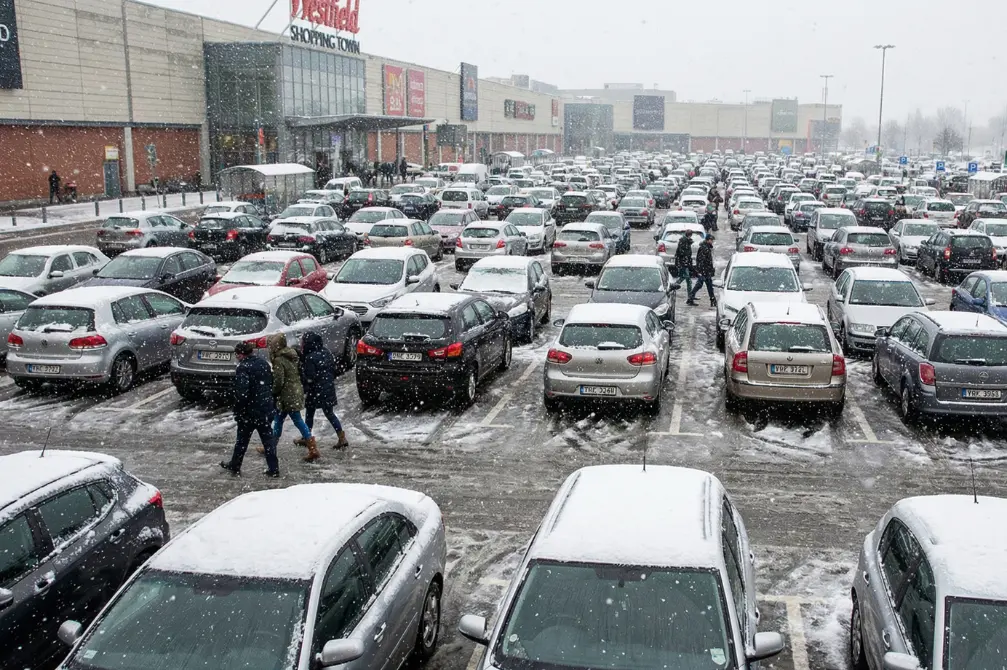
Most of us brace ourselves for winter driving – icy roads, terrible visibility, and that awful moment when your car takes twice as long to stop. But here's something you might not have thought about: car parks are actually one of the worst places for vehicle damage when it gets cold.
Between slippery tarmac, rubbish lighting, and trying to manoeuvre whilst wearing three layers and gloves, it's no wonder so many of us end up with mystery dents and scratches over winter. And the annoying thing is, most of it happens at about 5mph without you even realising.
Let me walk you through why winter turns car parks into danger zones, what kind of damage to watch out for, and what you can actually do about it.
Why Car Parks Get So Dodgy in Winter
You'd think car parks would be safer than actual roads, but winter has other ideas.
Everything Gets Slippery
Even a thin layer of ice or compacted snow completely kills your grip – and that includes when you're barely moving. I've seen plenty of cars just... slide a bit while parking and end up kissing a bollard or the car next to them. It's rarely dramatic, but it's enough to scuff your bumper or chip the paint on a corner.
The problem is, you don't expect to lose traction at walking speed, so when it happens, you're not ready for it.
You Can't See Properly
Winter visibility is rubbish at the best of times. You've got shorter days, low sun that blinds you at just the wrong moment, frosted windows, and sometimes actual snow coming down.
In a busy car park, that makes it really hard to judge how close you are to other cars, where the kerb actually is, or whether you're about to reverse into a post. Even being a few inches out can leave you with a scrape you didn't see coming.
Winter Clothes Are a Nightmare
This sounds daft, but it's genuinely a big issue. When you're wearing thick coats, gloves, and scarves, everything becomes harder. Your hands don't work as well, you can't feel how hard you're pulling or pushing, and you're just less aware of what you're doing.
The result? Doors that swing open too fast, catch the wind, and slam straight into the car next door. I bet you've done it at least once.
Wind Is Worse Than You Think
Open car parks and multi-storeys can be absolutely brutal in winter. One strong gust can rip a door out of your hand before you can react, and suddenly you've put a nice dent in someone else's paintwork (or your own if you're parked badly).
This is one of those things that happens in a split second and there's not much you can do about it.
The Usual Suspects: Common Winter Damage
Bumper Scuffs
This is the big one. Front or rear, doesn't matter – bumpers take an absolute battering in winter car parks.
You slide a tiny bit on ice. You misjudge the distance while reversing. You can't see the kerb because it's covered in snow. Before you know it, you've scraped your bumper.
The annoying part is that even minor scuffs can break through the protective coating and expose the paint underneath, which means moisture and road salt can get in and start causing problems.
Door Dents
You know those little dents that appear along your door and you have absolutely no memory of how they got there? That's winter car parks for you.
Usually it's doors blowing open, or you've got less control because of gloves, or someone's parked ridiculously close and there's just no room. Even small dents can be really obvious and definitely don't help when it comes to selling your car.
Random Scratches
In winter, we're all carrying more stuff – shopping bags, backpacks, coats with metal zips. Add in ice scrapers being dumped on the roof or leaned against panels, and you've got a recipe for scratches around door handles and along the sides.
I've definitely scratched my own car with a coat zip before. Not my finest moment.
Wing Mirror Carnage
Wing mirrors stick out, spaces are tight, visibility is terrible, and sometimes you slide a bit when pulling in. They're basically sitting ducks. You end up with scratched casings, cracked paint, or marks on the panels around them.
Why Cold Weather Makes Everything Worse
Paint Gets Brittle
Here's something I didn't know until recently: paint actually gets less flexible when it's cold. That means it chips and cracks more easily. A knock that might barely mark your car in summer can take a proper chunk out of the paint in winter.
Road Salt Is Evil
The moment your paint gets damaged in winter, road salt moves in like it owns the place. It gets into every scratch and chip, traps moisture against the metal, and before long you've got the beginnings of rust.
A harmless-looking scuff can turn into a proper problem if you ignore it all winter.
You Won't Even Notice It
Cars stay filthy in winter. The light's terrible. Everything's covered in salt residue. Honestly, you could have a decent scratch and not spot it for weeks.
Most people don't discover their car park damage until spring, by which point it's often got worse.
Why People Put Off Fixing It
I get it. You look at a small scuff and think "it's not that bad", "I'll sort it later", "it's only cosmetic", or "I can't be without my car right now".
But here's the thing: winter is literally the worst time to leave paint damage alone. The combination of moisture, salt, and freezing temperatures means things deteriorate fast.
How SMART Repair Actually Helps
SMART repair (which stands for Small to Medium Area Repair Technology, apparently) is perfect for the kind of damage you pick up in car parks.
Instead of repainting an entire panel – which costs a fortune and takes ages – they just fix the damaged bit. It's quicker, cheaper, and your original paint stays intact where it's not damaged.
The really useful bit is that a lot of SMART repair places are mobile. They come to you with a fully kitted-out van and sort it at your house or work. In winter, when the last thing you want to do is drive to a bodyshop and be without your car, that's brilliant.
And despite what you might think, professional mobile repairs can be done in winter. They've got heated setups so the paint cures properly and the finish isn't compromised.
Why You Should Actually Fix It
It Stops Rust Before It Starts
Getting paint damage sorted early means you seal up any exposed metal before salt and moisture can do their thing. Once rust takes hold, repairs get complicated and expensive.
It Stops Damage Spreading
Cold weather can cause paint to lift at the edges, chips to get bigger, and moisture to freeze under the paint. Catching it early keeps the problem small.
Your Car Will Be Worth More
Even minor cosmetic damage gets noticed when you're selling or part-exchanging. Dealers will either point it out to knock money off, or it'll put off potential buyers. Keeping your car looking decent protects its value.
You Might Get In Quicker
Winter can actually be quieter for repair bookings, which means you might get sorted faster than you would in summer.
How to Avoid It in the First Place
You can't prevent every incident, but a few things help:
- Pick wider spaces when you can
- Avoid parking on slopes when it's icy
- Be careful opening doors if it's windy
- Take extra time when reversing
- Check your car over regularly during winter